Scripture was never meant to be understood literally.
Beneath the surface lies a hidden language — a symbolic message that reveals truth, transformation, and awakening.
What appears as history is often instruction.
What seems literal is meant to be discerned.
And what has been taken at face value has, in many cases, concealed the deeper meaning.
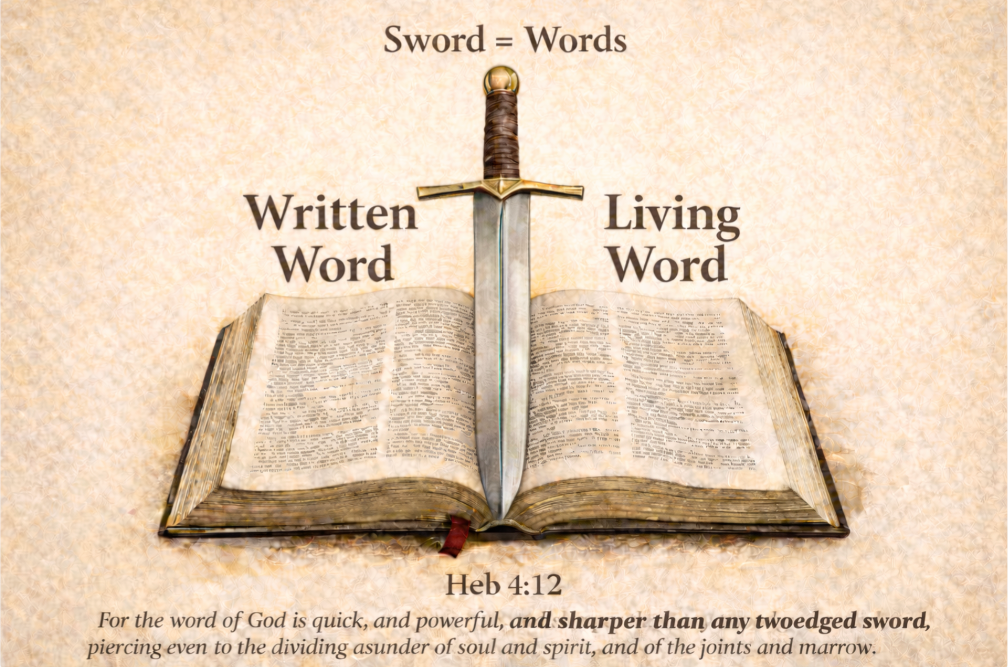
The Word is not bound to ink and paper.
It is living, active, and meant to be understood within.
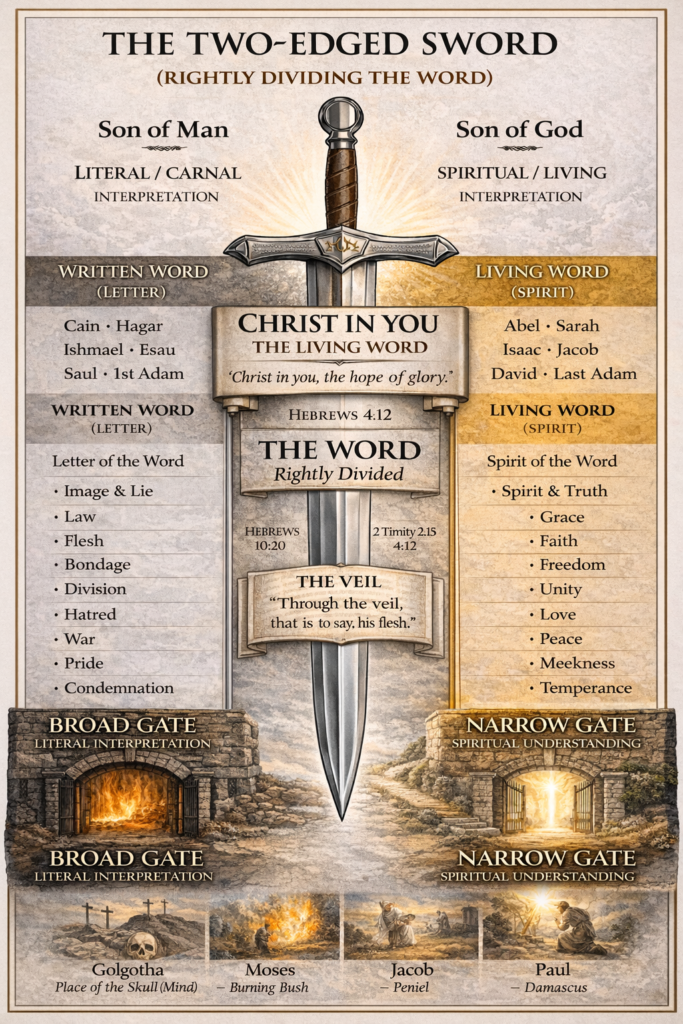
This site explores the difference between the written word and the living Word —
between the letter that can mislead and the truth that gives life.
The Hidden Meaning Within Scripture
The Bible speaks in parables, symbols, and patterns — not literal history.
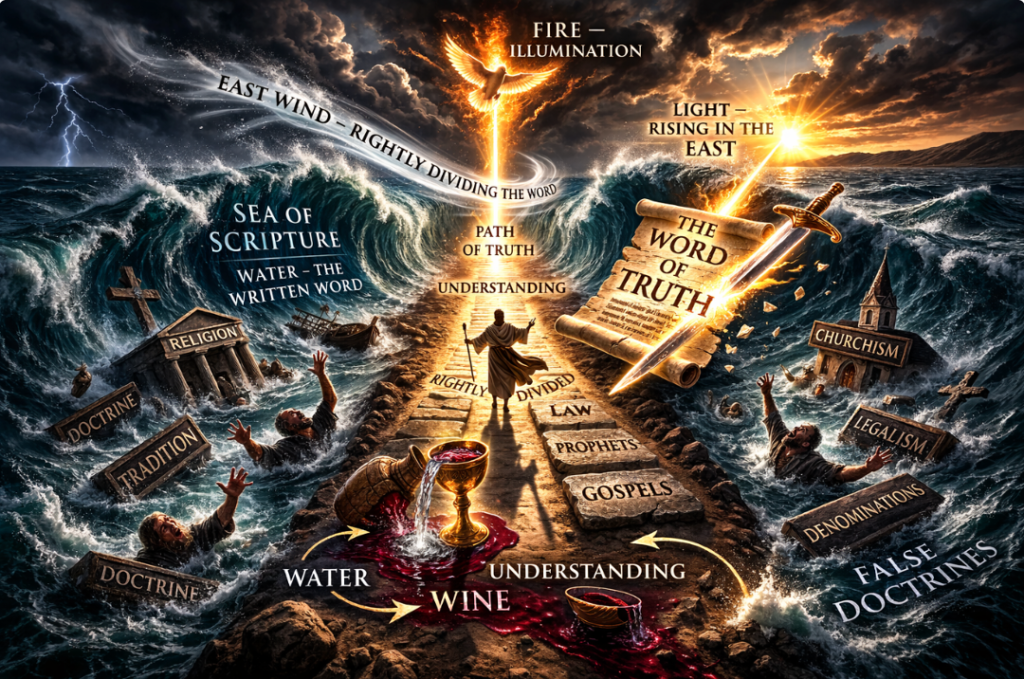
Water, fire, wind, and light all point to an inner process.
The Red Sea, the cross, and the resurrection are not just events — they are experiences within the believer.
The question is not what happened…
but what does it mean?
Why Scripture Was Never Meant to Be Taken Literally
From the beginning, Scripture has been misunderstood.
What many read as history was written as parable. What is taken as literal events was designed to convey spiritual truth.
Jesus himself spoke only in parables to the multitude — not to hide the truth, but to reveal it to those willing to seek deeper meaning.
When Scripture is read only at the surface level, it becomes law, division, and confusion. But when read symbolically, it becomes life, transformation, and understanding.
-
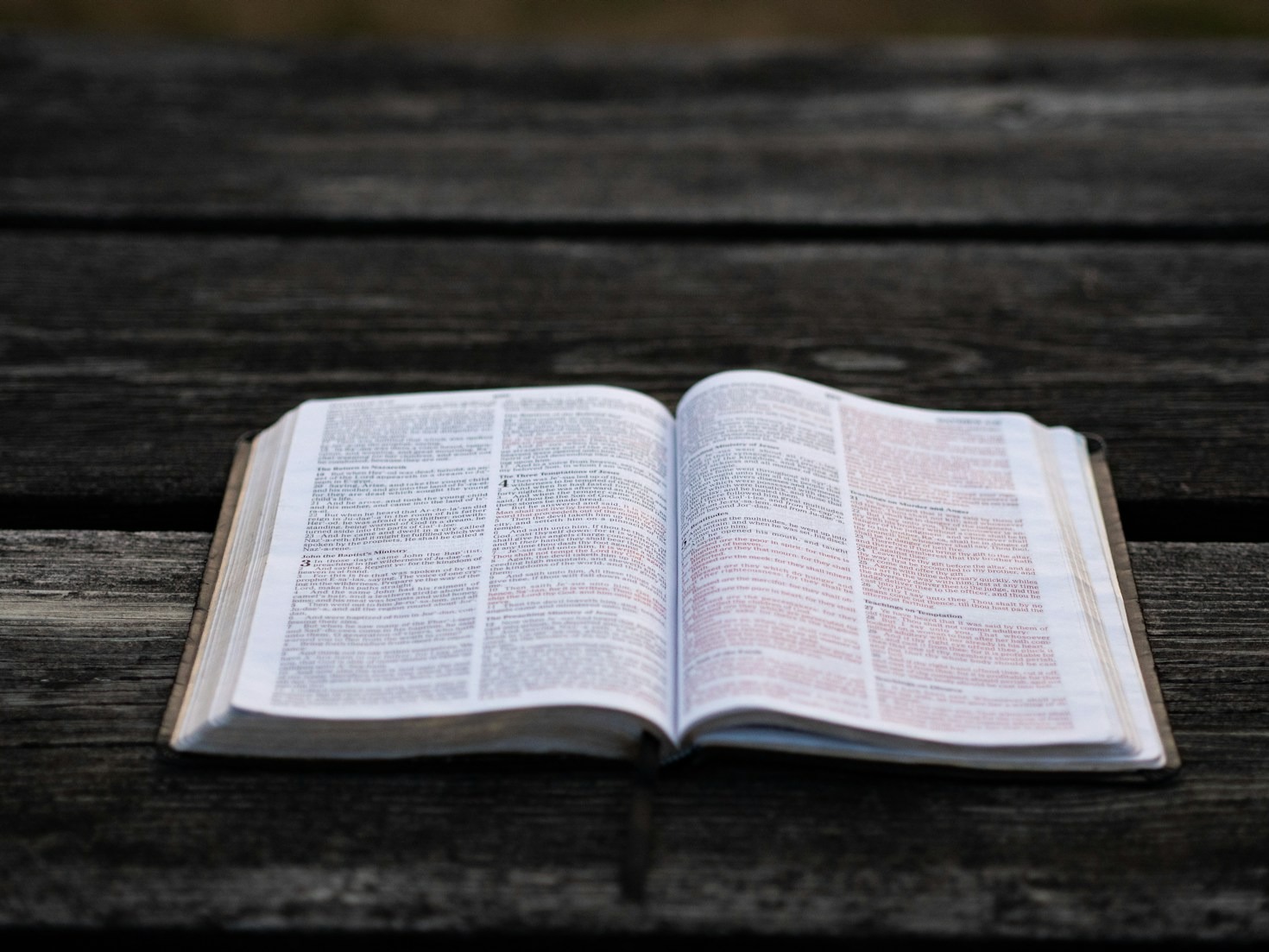
Why Stories in Scripture Are More Than Literal
This paragraph serves as an introduction to your blog post. Begin by discussing the primary theme or topic that you plan to cover, ensuring it captures the reader’s interest from the very first sentence. Share a brief overview that highlights why this topic…
-
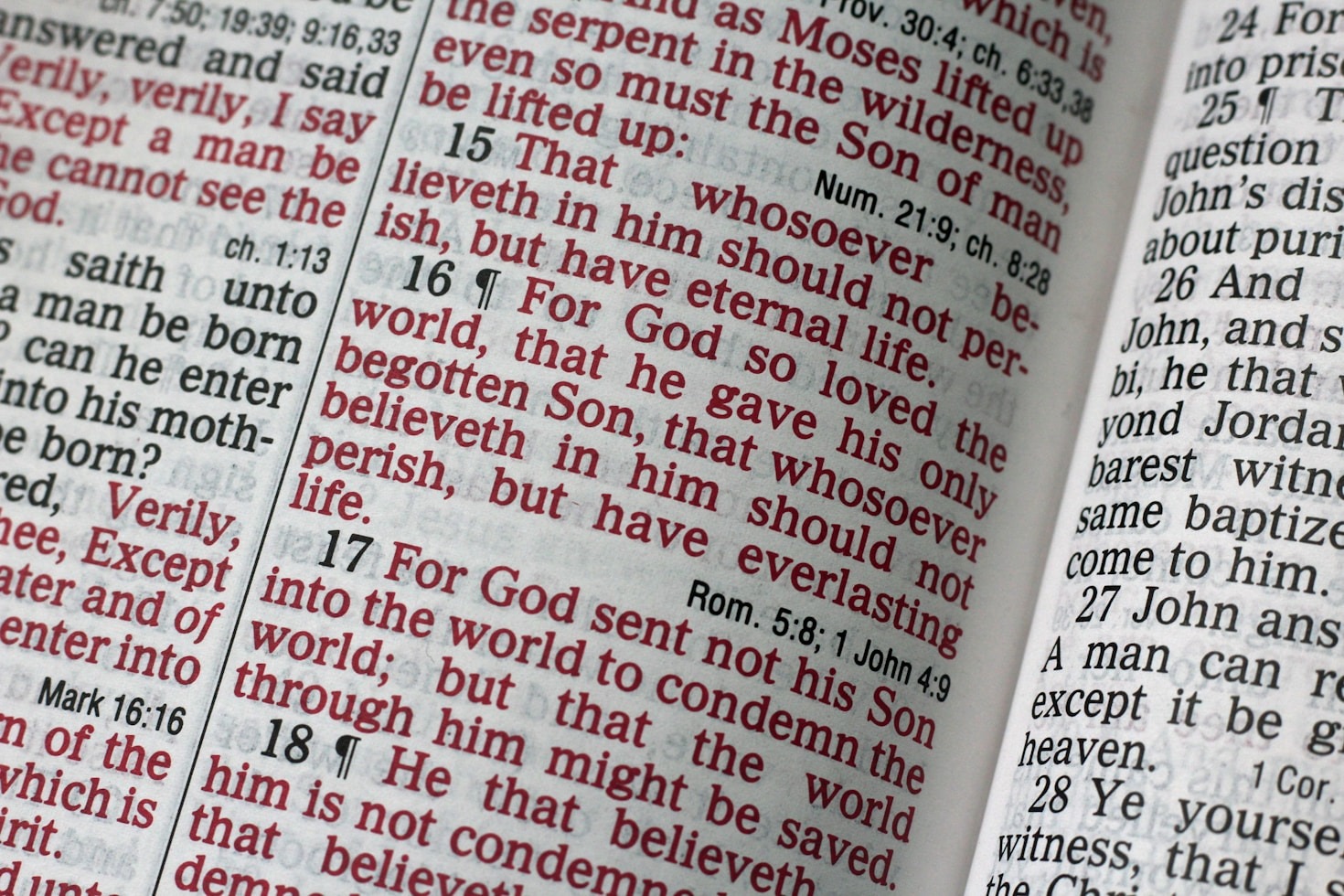
Exploring Spiritual Insights in Holy Texts
This paragraph serves as an introduction to your blog post. Begin by discussing the primary theme or topic that you plan to cover, ensuring it captures the reader’s interest from the very first sentence. Share a brief overview that highlights why this topic…


Unveiling the Symbolic Depths of Scripture
Discover the profound spiritual insights within Scripture and join our community to deepen your inner awakening. Sign up now to start your transformative journey.
Unveiling the Hidden Meanings in Scripture
Explore key questions about Scripture’s symbolic meanings and spiritual lessons to deepen your understanding with ease.
How does Scripture use symbolism to convey deeper truths?
Scripture often employs symbols and parables to reveal spiritual insights beyond literal interpretation.
What is the difference between literal and spiritual readings of biblical stories?
Literal readings focus on facts, while spiritual readings uncover inner transformation and awakening.
Why are biblical stories considered parables for personal growth?
They illustrate moral and spiritual lessons that guide believers toward inner awakening.
How can understanding symbolism in Scripture impact my spiritual journey?
Recognizing symbols helps deepen faith and encourages meaningful personal transformation.

To fit an image inside a block (container) while maintaining its aspect ratio, you can use CSS properties like object-fit or control the image size with width and height. Here are some common methods:
- Using CSS
object-fit(best for<img>tags):
.container {
  width: 300px;   /* Set your block width */
  height: 200px;  /* Set your block height */
  overflow: hidden; /* Optional, to crop overflow */
}

.container img {
  width: 100%;
  height: 100%;
  object-fit: cover; /* or contain */
}
object-fit: cover;makes the image fill the block, cropping if necessary.object-fit: contain;scales the image to fit inside the block without cropping, possibly leaving empty space.
- Using background image:
.container {
  width: 300px;
  height: 200px;
  background-image: url('image.jpg');
  background-size: cover; /* or contain */
  background-position: center;
  background-repeat: no-repeat;
}- Responsive image fitting inside block:
.container {
  max-width: 300px;
  max-height: 200px;
}

.container img {
  max-width: 100%;
  max-height: 100%;
  display: block;
  margin: auto;
}
Choose the method based on your layout needs.